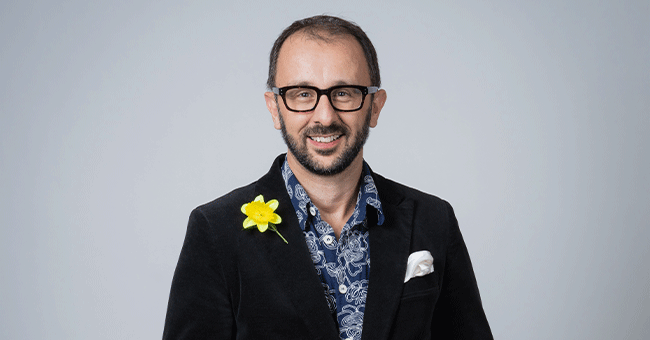
Otago Oncologist Professor Christopher Jackson Honoured for Transforming New Zealand Cancer Care
Professor Christopher Jackson, a medical oncologist and University of Otago academic, has received the Health Research Council (HRC) Beaven Medal at the Royal Society Te Apārangi Research Honours event in Dunedin. The award recognises his patient-informed research, leadership, and advocacy, which have driven major improvements in cancer care and national policy across New Zealand.
According to HRC Chief Executive Professor Hannah Buckley, Professor Jackson's work—spanning his roles at Health New Zealand – Southern, Mercy Hospital in Dunedin, and the University of Otago — Ōtākou Whakaihu Waka—stands out for its real-world impact and successful translation into national policy.
Key Contributions to New Zealand Cancer Care
Professor Jackson's career spans more than 20 years of translational health research, combining clinical practice with systemic advocacy and policy work. His major achievements include:
- Shaping Bowel Cancer Standards: He led the five-year, HRC-funded PIPER project, which examined more than 5,600 colorectal cancer patients. The project's findings helped shape national bowel cancer standards and quality measures.
- Standardising Chemotherapy: He developed a national reference library to set treatment standards across New Zealand and spearheaded the removal of over 400 low-value chemotherapy schedules to ensure more consistent, high-quality care.
- Establishing National Oversight: Alongside Dr Diana Sarfati, Professor Jackson's advocacy was instrumental in creating the New Zealand Cancer Control Agency, also known as Te Aho o Te Kahu.
- Expanding Funding and Services: He played a key role in securing the largest expansion of publicly funded cancer medicines in the country's history, granting thousands of patients access to previously unavailable treatments. Through leadership roles with the Cancer Society (2015–2021) and Te Aho o Te Kahu, he helped influence major funding increases supporting 14 new cancer treatment sites and service expansions at 15 existing locations.
Motivation and Approach
Reflecting on his return to New Zealand after subspecialist training in London, Professor Jackson noted that patient reports of delays, inconsistent treatment, and missed care opportunities revealed deeper systemic issues.
"I remember thinking, if I genuinely believe that my job is to help people, then that's going to involve more than just giving them chemotherapy. I'm going to have to unpick the problems that got them into my clinic in the first place," Professor Jackson said.
Describing his methodology, he noted that research serves as a tool to identify structural problems behind clinical observations, allowing him to collaborate with epidemiologists and policymakers. Rather than relying on a single major discovery, his approach combines clinical practice, research, and active public advocacy to drive continuous, practical improvements.
Current Focus
Professor Jackson's ongoing research programme is focused on reducing waiting times for specialist assessment and treatment for individuals with advanced cancer, examining how adjustments to health system processes and clinical practices can improve timely access to care.
Note: This article was prepared with AI assistance based on source material provided by Mirage News. For further details, you can view the original release.