European Supermarket Freezers Hit by Suspected Cyber Attacks: A Wake-Up Call for IoT Security
In a chilling reminder of the vulnerabilities inherent in our increasingly connected world, dozens of supermarket freezers across Europe have fallen victim to suspected cyber attacks. The incidents, which have affected stores in Belgium, Luxembourg, Sweden, Ireland, and Estonia, have raised concerns about the security of internet-connected devices and the potential consequences of such attacks on critical infrastructure.
The Attacks and Their Impact
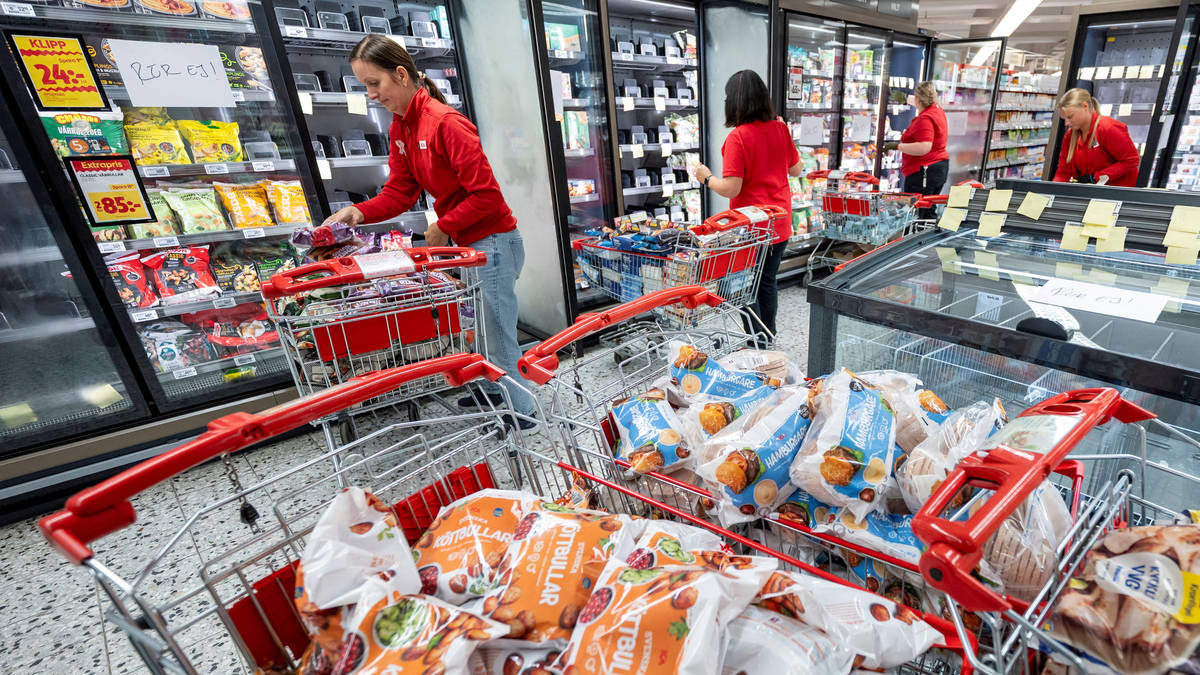
The attacks have targeted refrigeration systems, with hackers reportedly overriding settings and forcing freezers into defrost mode. This has led to temperatures rising as high as 50°C, causing significant damage to frozen goods. According to local media reports, millions of euros worth of food may have been destroyed. The affected supermarkets have been forced to empty their freezers and discard spoiled products, resulting in substantial financial losses.
One commenter noted, 'It's cheaper and more convenient so Supermarkets went all in on it.' However, the convenience of remote monitoring and control has come at a cost, as the lack of robust security measures has left these systems vulnerable to attack.
The Vulnerability of IoT Devices
The incidents highlight a critical issue in the Internet of Things (IoT) ecosystem: the lack of security in internet-connected devices. As one commenter pointed out, 'The real question is why are they connected with fuck all security that this is an issue.' The need for remote monitoring and control is understandable, but the failure to implement adequate security measures has left these systems exposed to malicious actors.
Another commenter suggested, 'They could stay on the local network, they don't need to be connected to the internet to monitor temperatures.' This raises questions about the necessity of connecting these devices to the internet and the potential risks associated with such connectivity.
The Search for Culprits
As of now, it is unclear who is behind the attacks, and no group has claimed responsibility. Speculation has centered on state-sponsored actors, with Russia being mentioned as a likely suspect. One commenter noted, 'It's likely Russia because China has no reason to destabilize Europe, at least right now.' However, others have pointed out that attributing the attacks to a specific nation-state is challenging, and it may take time to identify the perpetrators.
Lessons Learned and the Way Forward
The attacks on European supermarket freezers serve as a wake-up call for the IoT industry and organizations relying on internet-connected devices. As one commenter wisely stated, 'You have to design securely from day one now.' The need for robust security measures, including encryption, access controls, and regular software updates, cannot be overstated.
Furthermore, organizations must reconsider the necessity of connecting devices to the internet and explore alternative solutions, such as local networks or air-gapped systems. As another commenter suggested, 'It should be air-gapped per store. I mean what I said. It shouldn't be accessible to the public internet.'
In conclusion, the suspected cyber attacks on European supermarket freezers highlight the urgent need for improved security in the IoT ecosystem. As we continue to connect more devices to the internet, we must prioritize security and ensure that these systems are protected against malicious actors. The incidents serve as a stark reminder that the consequences of inadequate security can be severe, affecting not only businesses but also the general public who rely on these systems for their daily needs.

