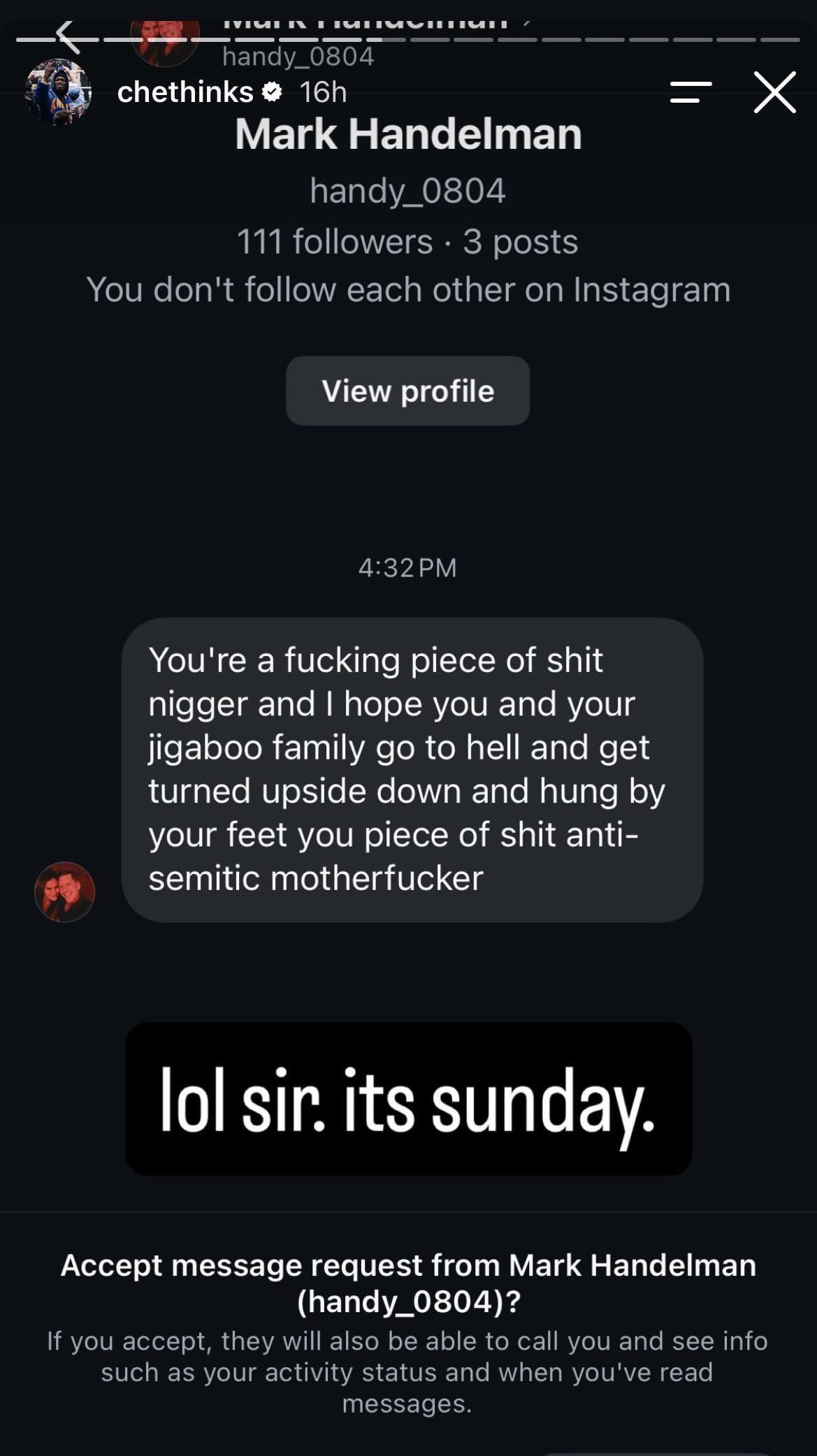
Michael Che, a prominent Black comedian and Saturday Night Live (SNL) cast member, recently shared a series of Instagram direct messages (DMs) he received following SNL's mention of the Gaza genocide. The DMs, filled with racial slurs and accusations of antisemitism, offer a stark glimpse into the intersection of racism and Zionism. This incident highlights the complex dynamics of online discourse, where personal attacks and ideological manipulation are often employed to silence criticism of Israel's actions.
The Backlash
Che's Instagram post, which included screenshots of the DMs, sparked a heated discussion on social media. The messages he received were not only offensive but also revealed a disturbing trend of cognitive dissonance among some Zionists. One commenter noted the irony of being called both the N-word and a bigot, a testament to the warped mindset of those who sent the messages.
The Cognitive Dissonance
The cognitive dissonance displayed by some Zionists is striking. They repurpose Nazi talking points when speaking about Palestinians while simultaneously accusing others of antisemitism. This hypocrisy is evident in the messages Che received, where the senders seem to have no issue using racial slurs while claiming to be victims of bigotry.
The Intersection of Racism and Zionism
The incident sheds light on the intricate relationship between racism and Zionism. Some commenters pointed out that Zionists often see themselves as the only possible victims, living in a bubble of white fragility and ethno-religious supremacist ideology. This mindset allows them to justify their actions and shift the blame onto others, even when their own words and actions are blatantly racist.
The Role of Social Media
Social media platforms play a significant role in this discourse. While some people use dummy accounts to send hateful messages, others proudly display their bigotry. The fact that these messages are sent despite Che's willingness to share them publicly indicates a sense of impunity among the senders. It also raises questions about the moderation policies of social media platforms and their effectiveness in curbing hate speech.
The Complexity of Jewish Identity
The discussion also delves into the complexities of Jewish identity. Some commenters argue that Zionism is Jewish supremacy, while others point out the diversity within the Jewish community. The question of whether Judaism is a religion, a culture, or an ethnicity is a contentious one, and it is often used to manipulate the narrative around Israel's actions. The conflation of anti-Zionism with antisemitism is a common tactic employed to silence criticism, as seen in the messages Che received.
The Impact on Public Discourse
This incident has far-reaching implications for public discourse. It highlights the challenges of discussing sensitive topics like the Israel-Palestine conflict, where personal attacks and ideological manipulation can quickly derail meaningful conversations. It also underscores the importance of recognizing and addressing cognitive dissonance, as well as the need for nuanced understanding of Jewish identity and Zionism.
Conclusion
Michael Che's Instagram DMs provide a disturbing yet insightful look into the online backlash against those who speak out against Israel's actions. The incident serves as a reminder of the complex interplay between racism, Zionism, and social media, and the urgent need for more informed and respectful dialogue on these issues.