Oregon Off Track in Reducing Transportation Sector Greenhouse Gas Emissions
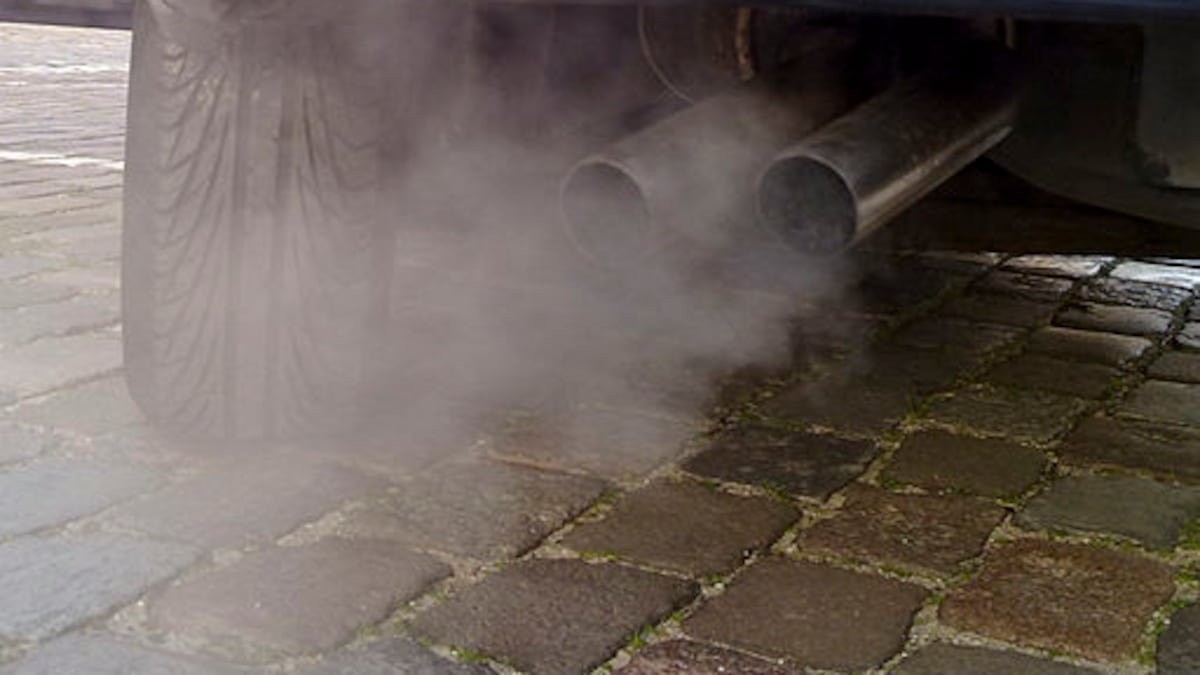
Oregon is no longer on track to meet its long-term climate goals for reducing greenhouse gas emissions within its transportation sector—the state's largest emissions contributor, according to a recent update presented to the Oregon Climate Action Commission Oregon Climate Action Commission presentation.
State officials attribute the major setback to a combination of federal funding cuts, policy reversals on electric vehicles (EVs), and a lack of dedicated state funding for public transit and emission reduction initiatives. This article was prepared with AI assistance from the supplied material.
Shifting Projections and Current Outlook
The transportation sector accounts for 35% of Oregon's overall emissions. The state's primary goal is to reduce these emissions by 80% relative to 1990 levels by 2050.
In 2022, reporting via the Statewide Transportation Strategy report showed Oregon was close to meeting its mid-century projections, anticipating a 60% reduction by 2050 based on federal and state incentives, EV purchase rebates, and strict vehicle emission standards.
However, projections dropped drastically. According to ODOT's progress tracking data, ODOT Climate Impact Analysis Program Lead Tara Weidner stated that the 2026 forecast indicates the state is now on track for only about a 10% reduction relative to 1990 levels if current conditions continue.
This follows broader state trends: Oregon is also projected to miss its overall 2035 emissions reduction target by two years, as reported by Oregon Public Broadcasting. Furthermore, the state previously faced delays in deploying infrastructure, noting that two years in, Oregon had no EV fast-charging stations through a $52 million federally funded NEVI program.
Factors Behind the Setback
The downward revision in Oregon’s climate progress stems from both federal and state pressures:
- Federal Policy and Funding Cuts: On the first day of Donald Trump's second presidential term, executive orders were signed cutting billions of dollars for climate action and renewable energy programs—actions intended to drive down consumer energy costs, according to the White House executive actions. The administration also challenged tailpipe emission standards and a mandate requiring all new cars sold starting in 2035 to be zero-emissions vehicles, as detailed by Oregon Public Broadcasting. In response to federal rollbacks, Governor Tina Kotek pledged to continue the fight against the rescinding of Environmental Protection Agency rules.
- Lack of Sustainable State Funding: Oregon faces steep budget gaps within its transportation department, limiting investments in alternatives like public transit that encourage people to drive less.
- Rebates and Resource Limits: While the Oregon Department of Environmental Quality continues to offer rebates for purchasing or leasing EVs via a Vehicle Privilege Tax, the popular program frequently runs out of funding.
Despite these challenges, Oregon still maintains EV purchase and lease rebates for residents who can afford the switch, and state officials note that clean electricity generation mandates for the grid remain in place.
Potential Paths Forward
State agencies have identified several steps to help restore lost ground and work toward the 2050 target:
- Collaborating with other states in legal battles to maintain vehicle and fuel standards.
- Securing increased funding for EV rebate programs.
- Expanding public EV charging systems.
While Weidner emphasized that progress over the past 15 years has historically moved in cycles of "two steps forward, one step back," Commissioner Nora Apter cautioned that the upcoming 2030 climate benchmark makes current figures a "wake-up call," noting that the data reflects targets that are out of line with what is needed to avoid severe climate impacts.
Members of the public can submit feedback to the Oregon Department of Transportation by emailing climate.office@odot.oregon.gov.