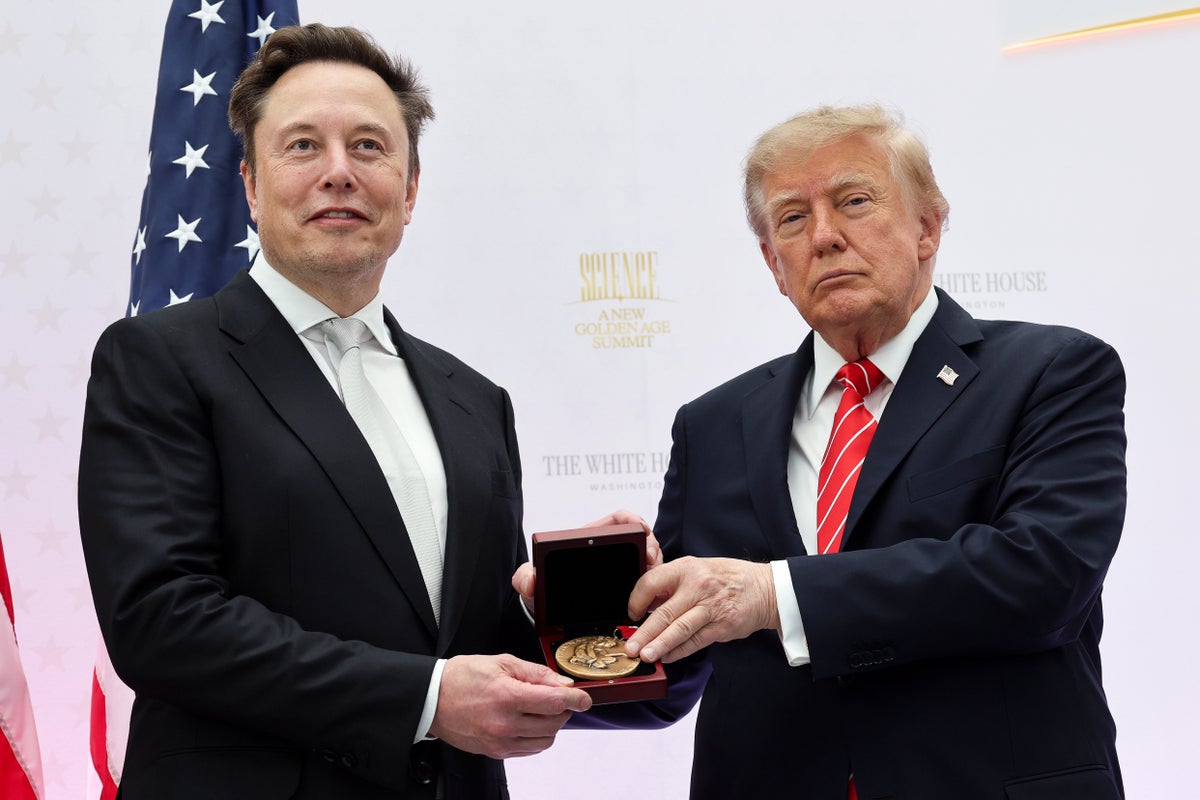
Political discourse has intensified following explicit assurances from the executive branch promising to shield high-profile tech leaders and donors from future congressional scrutiny. As midterm elections approach and political control of Congress remains uncertain, discussions around administrative immunity, executive authority, and the strategic use of presidential pardons have moved to the center of national debate.
The debate centers on whether executive protections are being used as a proactive defense against political hostility or if they represent an unprecedented shield against routine legal and legislative oversight. Critics argue that public declarations of immunity undermine the principle of equal justice, signaling that financial power and political alignment can buy protection from legal accountability.
The Function and Limits of Executive Protection
Legal scholars and political analysts have long debated the boundaries of presidential pardon powers and executive privilege. While the U.S. Constitution grants broad authority to issue federal pardons, questions remain regarding how these powers apply to ongoing oversight, potential state-level investigations, and broad pre-emptive protections.
Observers pointing to the structural imbalance of such assurances argue that high-net-worth individuals operate under a different set of rules than average citizens. As one observer noted:
"oh good, the trillionaire is protected. I was worried because he’s so vulnerable and has so little resources to protect himself"
Conversely, supporters of executive intervention contend that highly targeted corporate leaders often face politically motivated investigations from opposing factions in Congress. From this viewpoint, administrative backing serves as a necessary buffer against partisan overreach designed to disrupt business operations and private enterprise.
Questions of Accountability and Oversight
Central to the public reaction is the basic premise of accountability: why preemptive shielding is necessary if no wrongdoing has occurred. Critics assert that preemptive declarations of immunity risk delegitimizing the justice system and expanding executive power beyond its intended scope.
"I'd ask myself, "Protect him from what?" If he's done nothing wrong, then he has no need for protection."
Furthermore, legal analysts emphasize that federal protections offer no immunity against state-level inquiries or independent regulatory enforcement, leaving significant legal avenues open regardless of executive intent. The ongoing debate underscores a growing rift in public perception regarding whether the justice system treats all citizens equally or if political alliances create a secondary tier of legal immunity.
As election cycles progress, the intersection of political campaigns, corporate influence, and executive power will remain under intense public scrutiny, challenging traditional norms of governance and legislative oversight.

