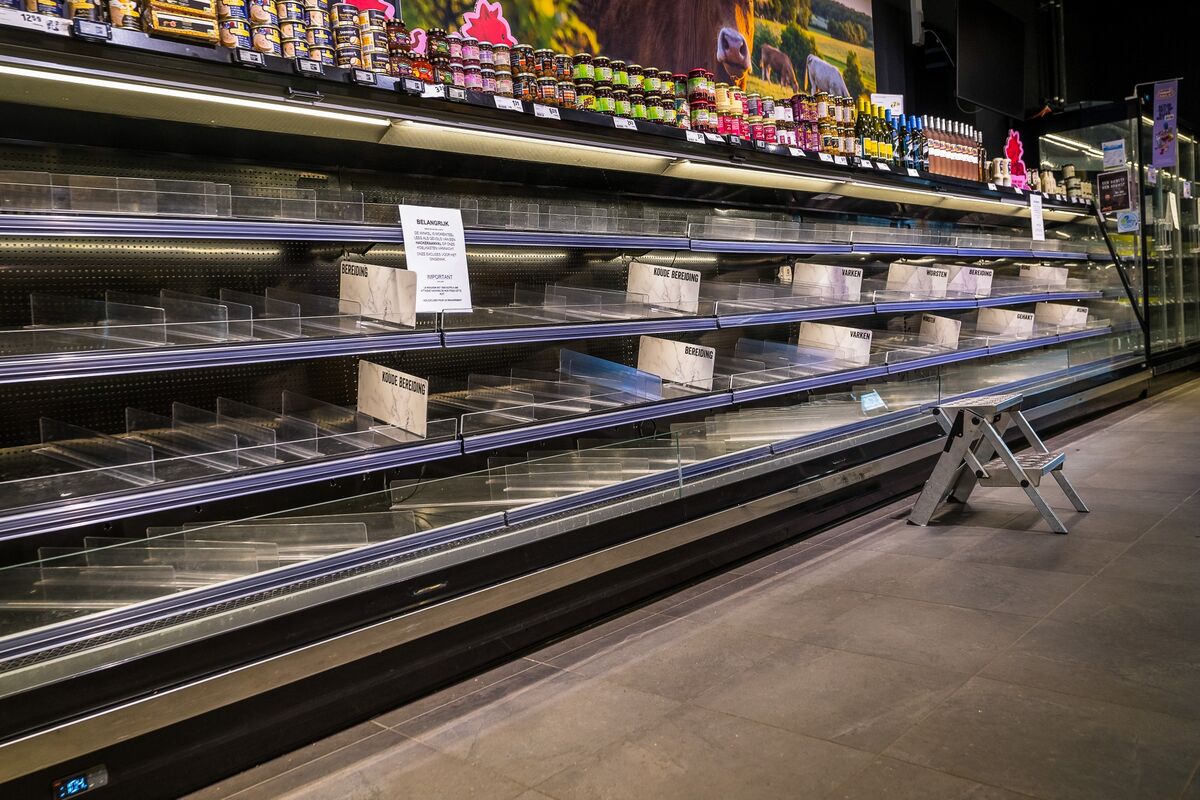
A chilling new cyber threat has emerged in Europe, targeting an unlikely yet essential part of our daily lives: supermarket freezers. In a series of incidents, grocery stores in several countries, including Belgium, Sweden, and Estonia, reported sudden temperature changes in their fridges and freezers, echoing a similar problem in France last month.
A Chilling Cyber Attack
The attacks, which occurred on Monday, have raised concerns about the vulnerability of Internet of Things (IoT) devices and the potential risks to critical infrastructure. While the exact method and perpetrators remain unknown, the impact is clear: disrupted food supply chains and potential health hazards.
A Familiar Pattern
This is not the first time such an incident has occurred. Last month, a more widespread problem affected supermarkets in France, where hackers targeted the Danfoss control panels, which were accessible to anyone and protected by weak passwords. The previous hack was attributed to the control panels' internet addresses being easily accessible and the use of default usernames and weak passwords based on the current date.
Human Error or Systemic Flaws?
One commenter noted that the staff at supermarkets might not realize that fridges are essentially computers that require regular updates, indicating a potential lack of communication from headquarters. However, others pointed out that the issue goes beyond individual staff members and is a systemic problem:
"Models are finding vulnerabilities at scale. It's not just an issue of these staff doing a bad job. The PHP vulnerabilities were around for ages without anyone either noticing or being able to do anything about it."
The conversation also highlights the challenges of securing IoT devices, with some suggesting air-gapping (disconnecting from the internet) as a solution, while others propose adding temperature meters that can be read online without exposing the entire system.
A Wake-Up Call
This wave of suspected cyberattacks serves as a stark reminder of the growing sophistication and reach of cyber threats. As one commenter put it, "The world is just getting more and more sinister." The incident also underscores the need for a comprehensive approach to cybersecurity, addressing both human factors and systemic vulnerabilities.
While the immediate impact of these freezer hacks may be limited, the potential for more severe consequences is clear. As another commenter warned, "Imagine them doing this to care homes or hospitals amid a heatwave." The threat to critical infrastructure and public safety is a chilling prospect, and one that demands immediate attention and action.

